
Court Criticizes Police for Tasing Handcuffed Soldier in Modi'in
A court ruled that police violated procedures by tasing a handcuffed IDF soldier in Modi'in, prompting an internal investigation into the arrest.
By News Media House Staff ·
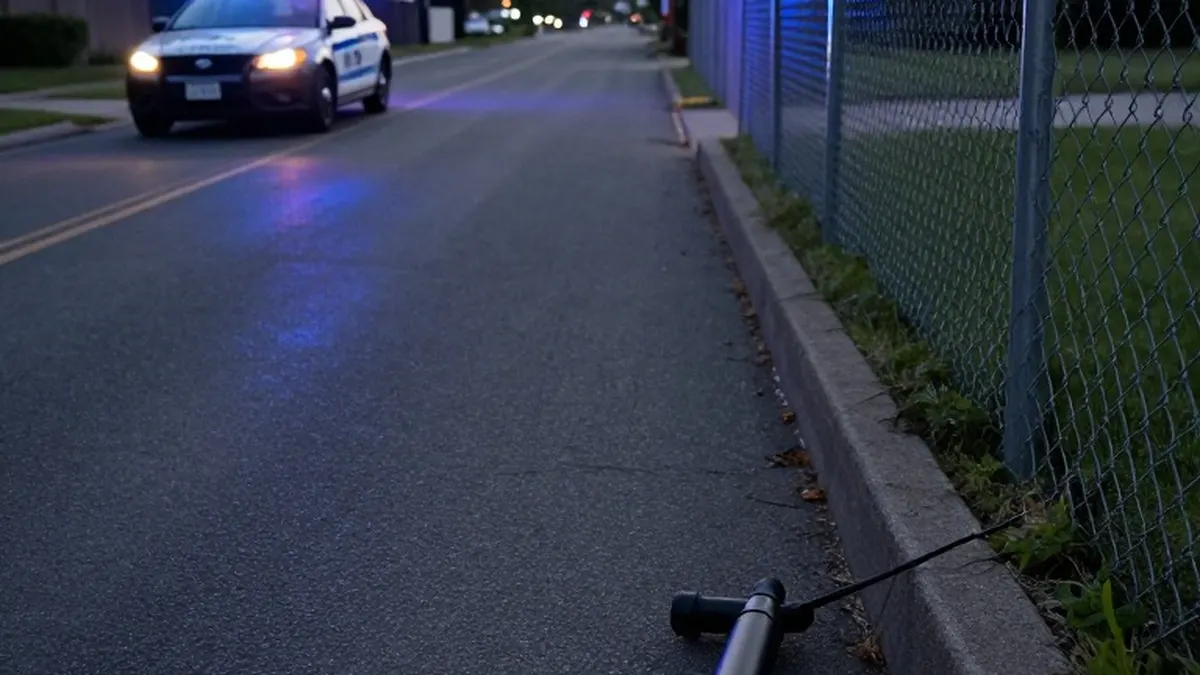
An Israeli court has issued a sharp rebuke of police officers who deployed a taser against a handcuffed IDF lone soldier during an arrest in Modi'in on Saturday, November 14. The ruling determined that the use of the electroshock weapon violated established police procedures. The incident, which occurred nine days prior to the article's date, was captured on video and is currently under review by the Police Internal Investigations Department.
The confrontation began at approximately 4:40 p.m. when an officer noticed the soldier running along a road while waving his arms. Police claimed the behavior suggested the soldier was under the influence of alcohol. After the soldier refused to identify himself, the encounter escalated into a physical struggle. He was arrested on suspicion of assaulting an officer and obstructing duties. The soldier, who is religious, repeatedly pleaded not to be forced into a patrol vehicle during Shabbat, stating he was ready to die in sanctification of God's name.
During the struggle, the soldier shouted that he had served the country for a year and a half and suffered from post-traumatic stress disorder. Despite his pleas and the urging of nearby neighbors to call an ambulance, officers continued to restrain him. In the footage, one officer is seen pushing the soldier's head toward the ground and threatening to use a taser unless he complied.
Judge Yuval Kedar presented a complex account of the events, acknowledging that the soldier had been intoxicated, refused to cooperate, and attempted to flee. However, the judge sharply criticized the officers' response once the soldier was under control. Although the soldier said he would identify himself after Shabbat ended, he continued to resist physically. At one point, he may have bitten an officer's thumb while holding onto a fence.
The court found that an officer pressed a taser against the soldier's leg to make him release the fence. After the soldier let go, he continued to refuse to stand, prompting the officer to activate the taser again. Kedar ruled that this action clearly departed from regulations, which state that tasers are intended to prevent escape, not to compel cooperation from a suspect already in custody. Furthermore, the judge noted that pressing the device directly against the body is prohibited under relevant procedures.
The case first appeared before the Rishon Lezion Magistrate's Court on November 14, where police sought a five-day detention extension. Judge Guy Maimon found reasonable suspicion for the alleged offenses but released the soldier to house arrest until November 18. On November 17, the soldier's attorney, Shiran Bergman, argued for the immediate cancellation of these restrictions. Bergman highlighted the absence of body-camera footage and questioned the initial basis for the police approach.
At the conclusion of the November 17 hearing, Judge Kedar ordered the house arrest conditions lifted, allowing the soldier to return to his military base. The judge noted that no additional investigative actions had been carried out since the soldier's release from police custody on November 15. While the ruling did not absolve the soldier of the suspicions against him, it raised significant questions about the proportionality of the force used.
The Israel Police stated that the matter is being examined by the Police Internal Investigations Department. The department, which operates under the Justice Ministry, confirmed it had received the arrest footage and opened an examination into the incident. Police declined to comment further while the investigation remains active.
This ruling places the officers' actions under intense scrutiny, particularly the decision to use an electroshock weapon after the suspect was already handcuffed. What began as a routine identity check has developed into a legal battle over police conduct and the rights of a lone soldier.
Originally published by News Media House