Lula's 51.79% Victory Keeps Brazilian Embassy in Tel Aviv
The reelection of the Workers Party leader defeats Flavio Bolsonaro and pauses a planned diplomatic move to Jerusalem.
By Leo Anderson ·
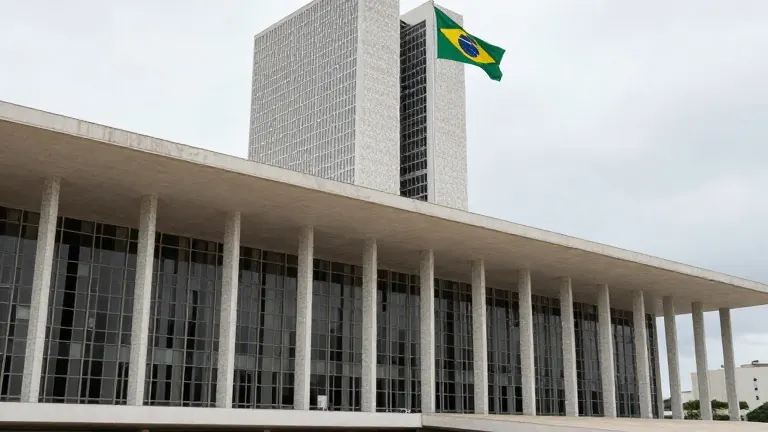
Brazil’s political landscape has shifted back to the left following this week’s runoff election. The result prevents a scheduled change in the country’s diplomatic posture toward Israel.
Luiz Inácio Lula da Silva secured 51.79% of valid votes to win reelection as president. His opponent, center-right senator Flavio Bolsonaro of the Liberal Party, received 48.21% of the vote. Lula leads the left-wing Workers Party and has served as the country's head of state since his first term.
The election outcome halts a specific diplomatic plan announced by the losing candidate. On June 28, 2026, Bolsonaro spoke with Jewish leaders in Buenos Aires and stated that Brazil would move its embassy from Tel Aviv to Jerusalem. He described this step as part of a new era of close partnership with Israel. With Lula’s victory, that relocation is paused.
The two candidates held sharply different views on regional diplomacy. Bolsonaro pledged to restore a strong friendship with Prime Minister Benjamin Netanyahu and cultivate closer ties. Lula has acted as a vocal critic of Israel’s military campaign in Gaza. In January 2024, the Lula government endorsed South Africa’s genocide case against Israel at the International Court of Justice. A month later, Lula compared Palestinian suffering in Gaza to the Holocaust, a remark that sparked a diplomatic crisis. The Brazilian Jewish umbrella organization CONIB condemned the comparison as a distortion of history, and the Holocaust Museum of Buenos Aires also issued criticism.
Bolsonaro said he did not accept the election results, though the method for a formal challenge remains unclear. The first round of voting took place on October 4, where Bolsonaro finished ahead of Lula. The following day, Netanyahu sent a message on X/Twitter congratulating Bolsonaro and expressing hope to restore the friendship between the two nations. The runoff on Sunday reversed that early lead in favor of Lula.
Lula’s return to power disrupts a recent trend in Latin America. Since 2023, several regional leaders have strengthened ties with Israel. Argentine President Javier Milei makes support for Israel central to his foreign policy. Bolivian President Rodrigo Paz Pereira, elected in 2025, restored diplomatic relations that had been severed. Honduran President Nasry Asfura, also elected in 2025, formally recognized Israel’s new ambassador. Chilean President José Antonio Kast is currently rebuilding diminished ties. Colombian President Abelardo de la Espriella, elected in May, restored diplomatic relations, sent his foreign minister to inaugurate an embassy in Jerusalem, and withdrew from the ICJ genocide case.
Bolsonaro had praised the Jewish community in Brazil during his June 2026 speech in Argentina. He noted that the 120,000 Jews in the country rank among the brightest in medicine, industry, science, culture, and business. The election results stand as the current official tally, with Lula set to begin his new term.
Source: The Jerusalem Post