Nvidia Reinstates Jensen Huang as CEO After Dramatic Reversal
Nvidia has reversed its decision to remove Jensen Huang as CEO, with shares surging 33% following strong support from the US government and key industry figures.
By News Media House Staff ·
Nvidia has reinstated Jensen Huang as chief executive officer in a significant strategic reversal. This decision follows his dramatic resignation on November 12, which occurred after reports emerged regarding extramarital affairs, including one with an alleged Chinese spy. The move marks a sharp departure from the board's stance just days earlier, when they had ruled out the possibility of his return.
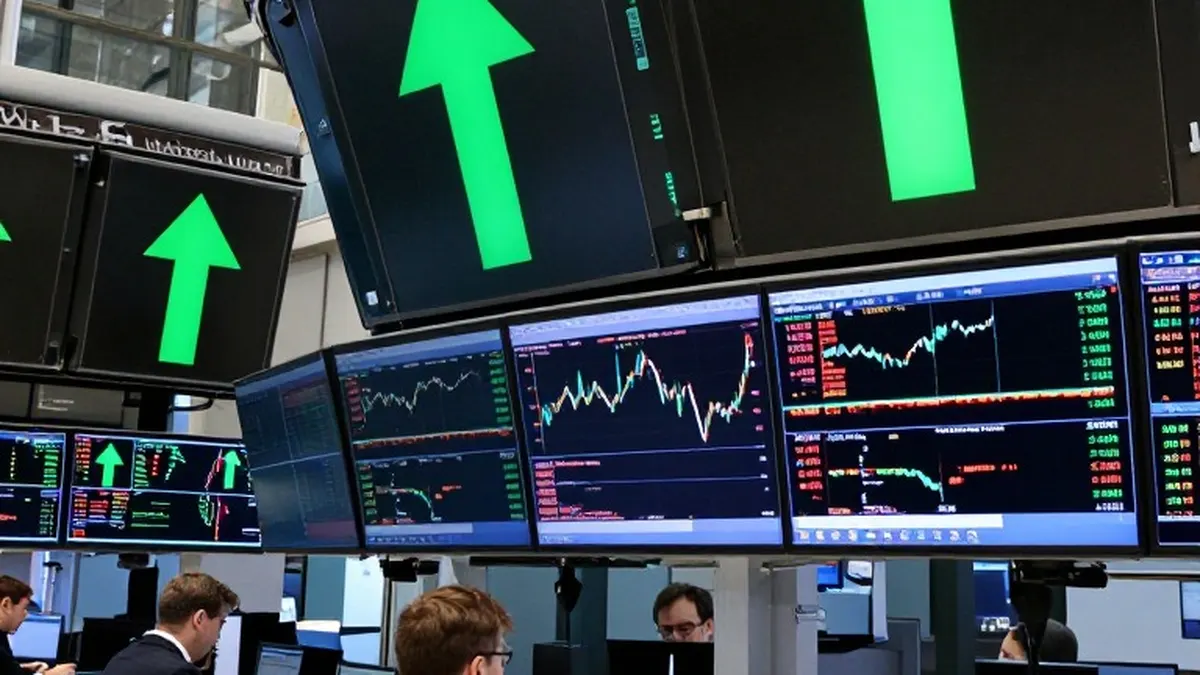
The announcement triggered an immediate positive reaction in financial markets. Nvidia shares jumped by 33% during trading in New York on Monday. This surge added more than $1 trillion to the company's market value, reflecting investor confidence in the renewed leadership.
US President Donald Trump, who had publicly advocated for Huang's return, stated that the country needs Jensen's leadership. The president noted that the US government had no evidence suggesting Huang engaged in any unlawful conduct. He praised the Nvidia board for making the correct and proper decision, asserting that Huang's leadership is essential for the success of the company and the broader American economy.
In a formal statement, the company explained that board directors had spoken with Huang and were satisfied with his candor and ability to lead Nvidia. The company noted that it received input from senior levels of the US government and concluded that his reinstatement poses no national security risk. An independent investigation into allegations that Huang was the target of a Chinese intelligence operation remains ongoing and will proceed to conclusion.
Harvey Jones, the Nvidia chair appointed this month, stated that the board believes Huang is the right person to lead the company. Jones emphasized that the reinstatement is in the best interests of stockholders, employees, partners, and customers. Huang had previously built Nvidia from a video game chip designer into the dominant supplier of AI processors, managing key customer deals and government ties.
The scandal centered on revelations of affairs, including one with a businesswoman whom US authorities suspect of spying for China, an allegation that Beijing denies. Reports published by the New York Times indicated that Alice Huang, the central figure in the scandal, had been in contact with an official in China's spy agency during the affair. Sources with knowledge of US intelligence reports claimed she maintained this contact until this autumn.
Market sentiment shifted rapidly ahead of the official announcement. On the prediction website Polymarket, the probability of Huang being restored rose from about 10% to 18% overnight on Sunday. This shift saw him overtake Ian Buck, another senior Nvidia executive, in the market for the next CEO, with tens of millions of dollars wagered on the outcome.
Other industry leaders also weighed in on the decision. Rene Haas, the chief executive of Arm Holdings, who had been approached to succeed Huang, signed a new deal to remain in his current role until 2033. Elon Musk, who had called for Huang's return, posted a welcome message on X, accompanied by a photo of the two shaking hands.
Analysts suggested the board had little choice but to reverse its initial decision. Dan Ives, a senior tech analyst, argued that leaving a core AI company without its founder during a crucial period was a bigger risk to shareholders. He wrote in a note to shareholders that the board knew it had to bring Huang back for the benefit of the US technology sector.
Sam North, a market analyst at eToro, noted that the situation underscores how much of the current AI trade still relies on the leadership of a single individual. The reinstatement highlights the continued centrality of Huang to Nvidia's strategic direction and market perception.
Originally published by News Media House